
Peter Koenig ist ein neugieriger Mensch. Sein Lebensweg ist geprägt von dem, was ihm als besonders und interessant aufgefallen ist und was er deshalb genauer erforschen wollte. In den 1980er Jahren führte ihn dies zunächst zum Thema Geld, Bewusstsein und Persönlichkeit und zur Entwicklung seiner als Geldarbeit (moneywork) bekannt gewordenen Herangehensweise.
Vor knapp 20 Jahren begann er dann, sich einem weiteren Feld zu widmen: der Frage, wie Personen, die ein Unternehmen gründen, dabei eigentlich konkret vorgehen. Im Austausch mit anderen hatte er – zu seiner Überraschung – nämlich festgestellt, dass hierbei in den verschiedensten Fällen erstaunlich ähnliche Muster zugrunde liegen.
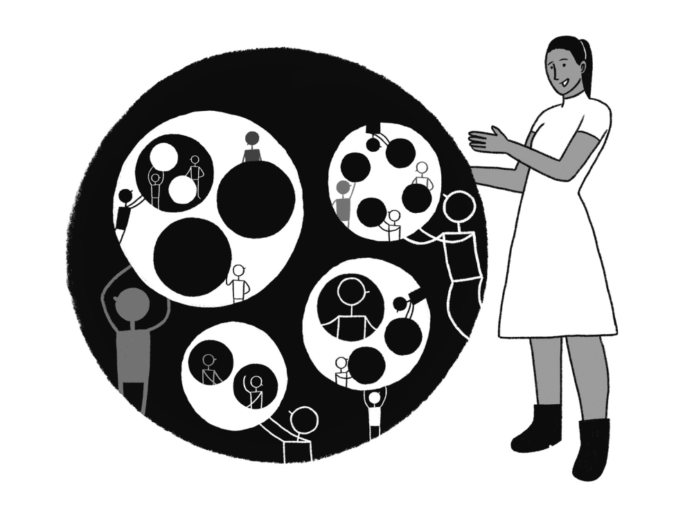
Die Nachforschungen der folgenden Jahre führten ihn zu einigen wichtigen Erkenntnissen, die er schließlich unter dem Begriff Quellenarbeit (sourcework) zusammenfasste. Dabei handelt es sich um eine erfahrungsbasierte Sammlung von Prinzipien darüber, wie Initiativen und Organisationen entstehen und welche Dynamiken in ihnen wirken. Sie machen grundlegende Muster und Zusammenhänge sichtbar und geben Hinweise darauf, wie Entscheidungen leichter getroffen sowie Konflikte und Probleme vermieden oder gelöst werden können. Diese Prinzipien wirken sowohl in beruflichen Unternehmungen als auch in ehrenamtlichen Initiativen, in Gemeinschaften und im weiteren persönlichen Lebensbereich.
Die breite Tragweite der Quellenarbeit ist mir selbst erst im Laufe der letzten Monate wirklich bewusst geworden. Vor einigen Jahren bin ich durch die Geldarbeit auf Peter Koenig und weitere Menschen in seinem Umfeld aufmerksam geworden. Als ich damals auch erste Einblicke in die Quellenarbeit bekam, fand ich sie zwar interessant, aber für mich persönlich nicht relevant, da ich keinem größeren Unternehmen oder Organisation angehöre. Vor einigen Monaten habe ich dann an einem Online-Kurs speziell zur Quellenarbeit (CU*source) teilgenommen und dabei erkannt, dass sie wirklich alle Lebensbereiche betrifft – von der Familie über kleine und große Projekte, Vereinsarbeit und Veranstaltungen bis hin zur Frage, welche Vision ich durch meine Arbeit eigentlich verwirklichen möchte.
Continue reading “Wie Ideen Wirklichkeit werden – Über Quellen, Visionen und kreative Felder”